
The Telegram group.
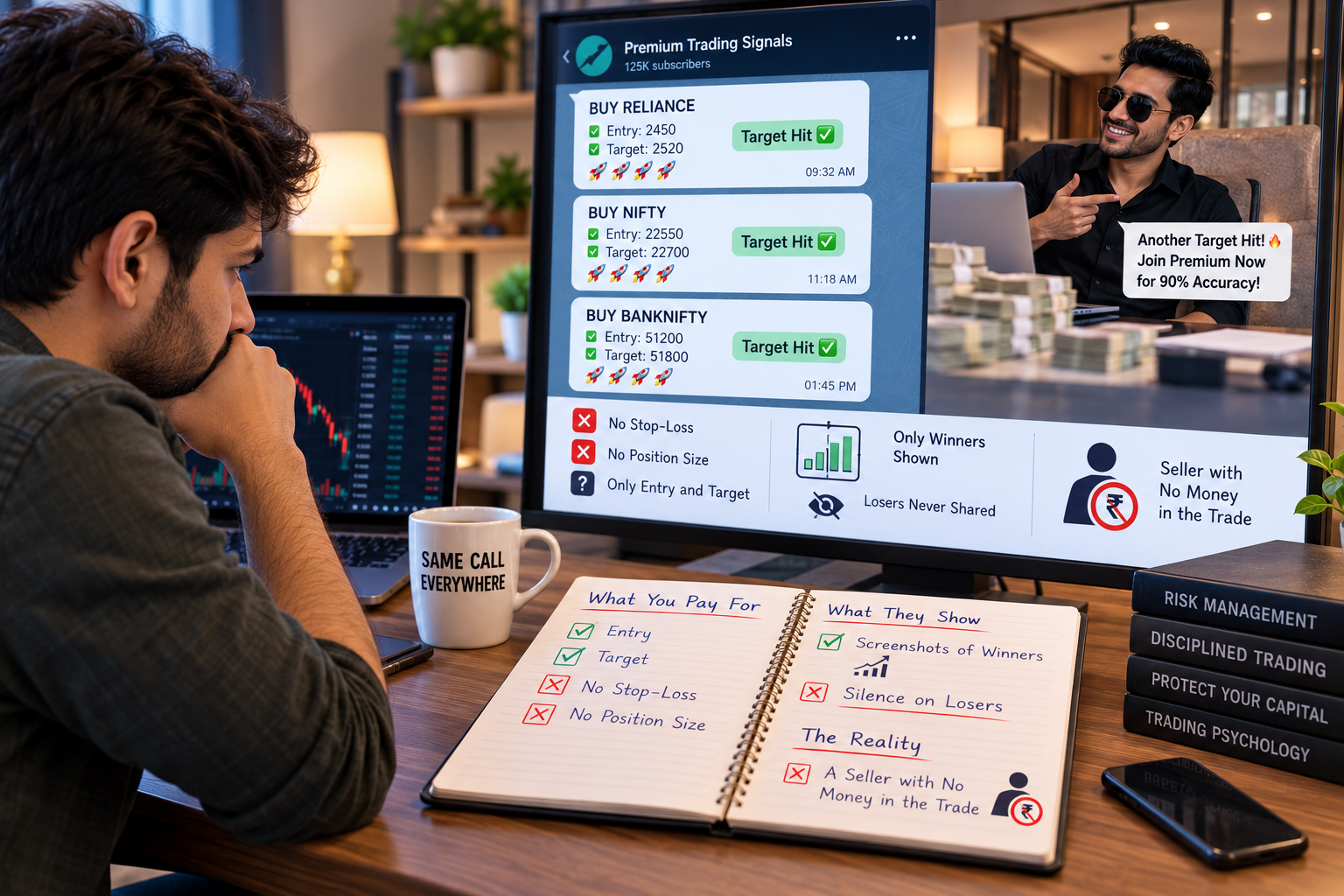
Entry and target. No stop-loss. No quantity. When it went wrong, no message.
Use it tomorrow, or your ₹47 back. Live with Ayush Jain, nine years in trading, in every trade he gives, with his own capital.

Watch the 2-minute briefing first
Where you are
Three sellers. Not one rupee of their own in your trade.
Entry and target. No stop-loss. No quantity. When it went wrong, no message.

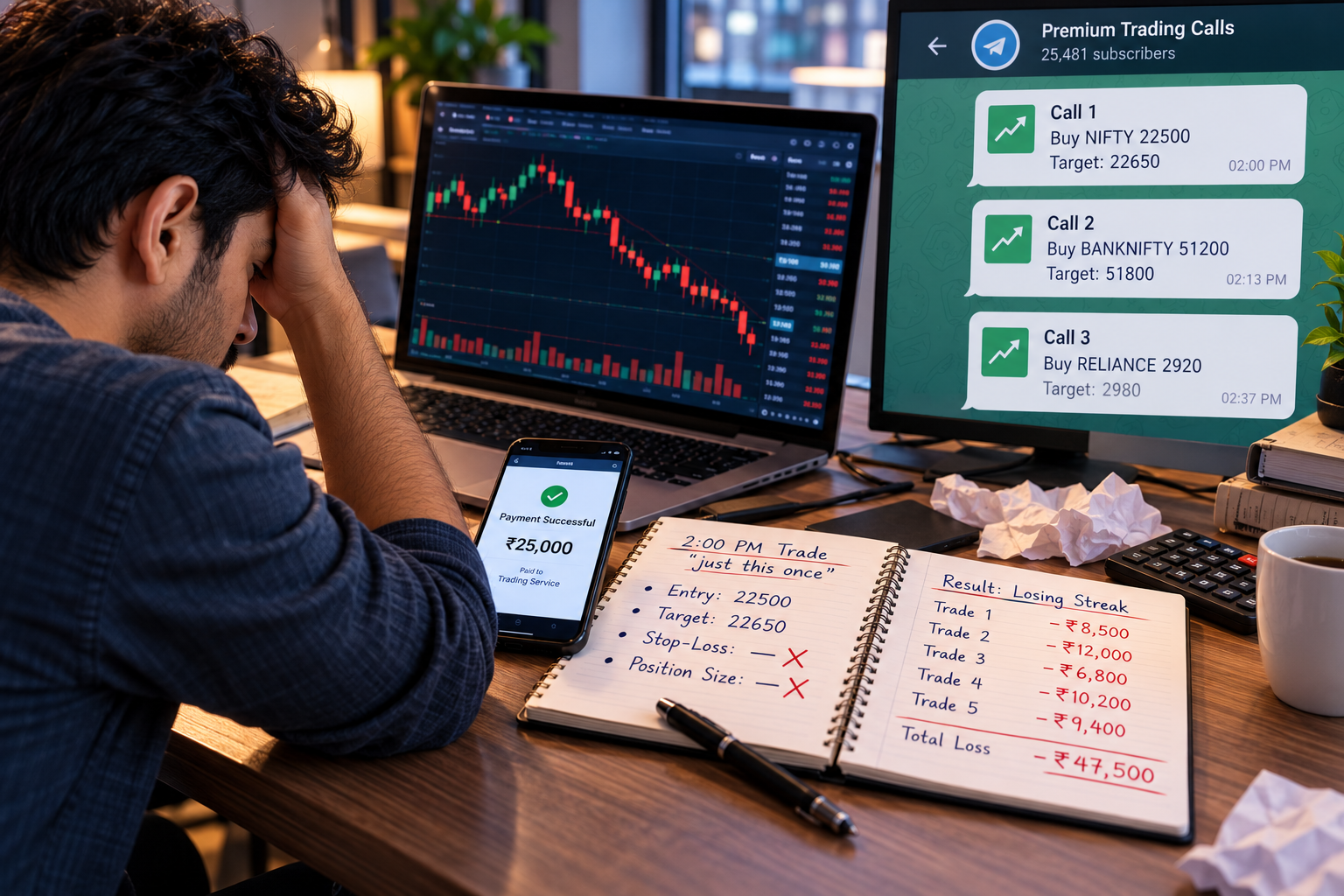
₹25,000 for the same three calls everyone got. Confident for a month. Then quiet. Then gone.
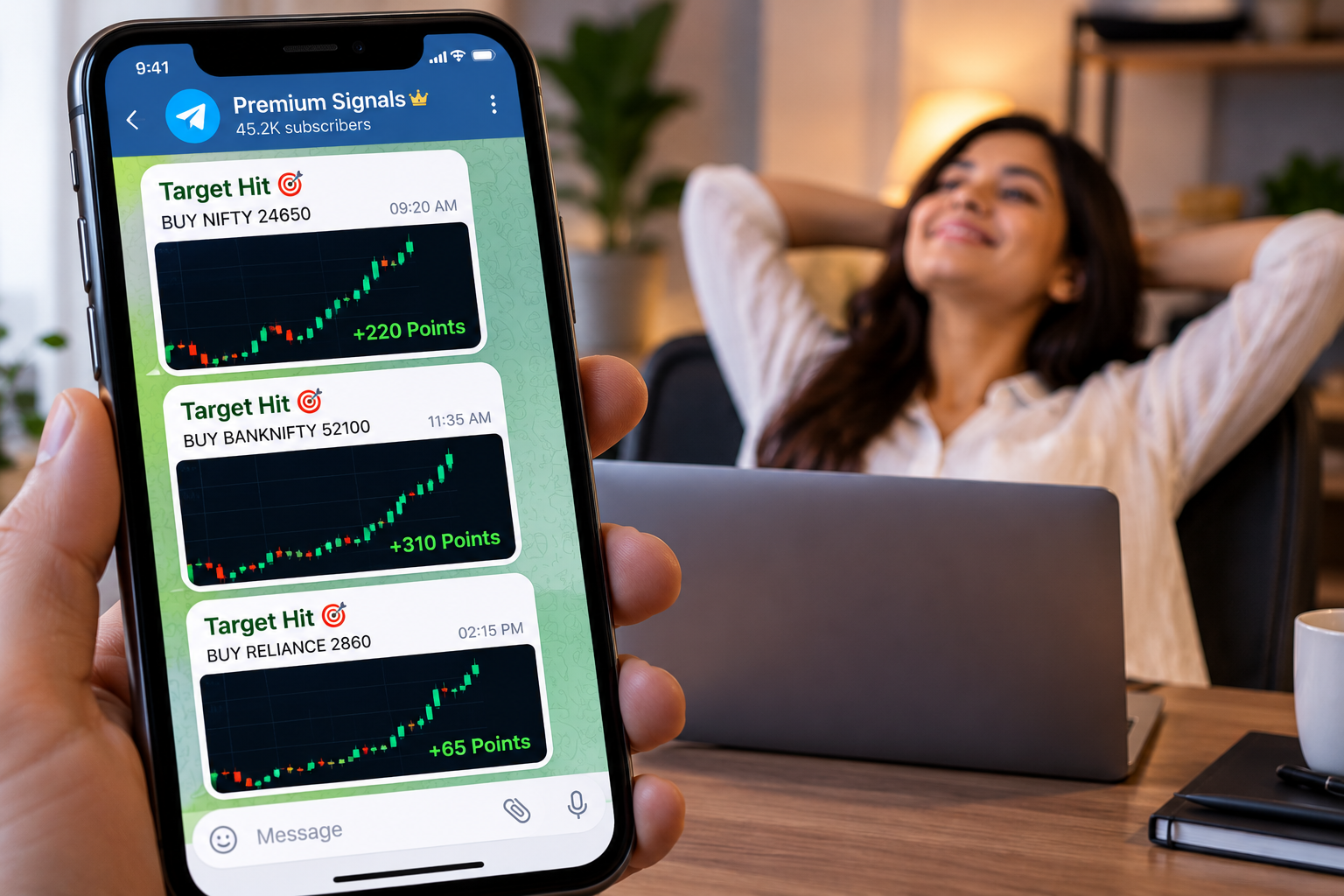
“Target hit.” Daily. From people who have never once posted a loss.
Two minutes. Do this first.
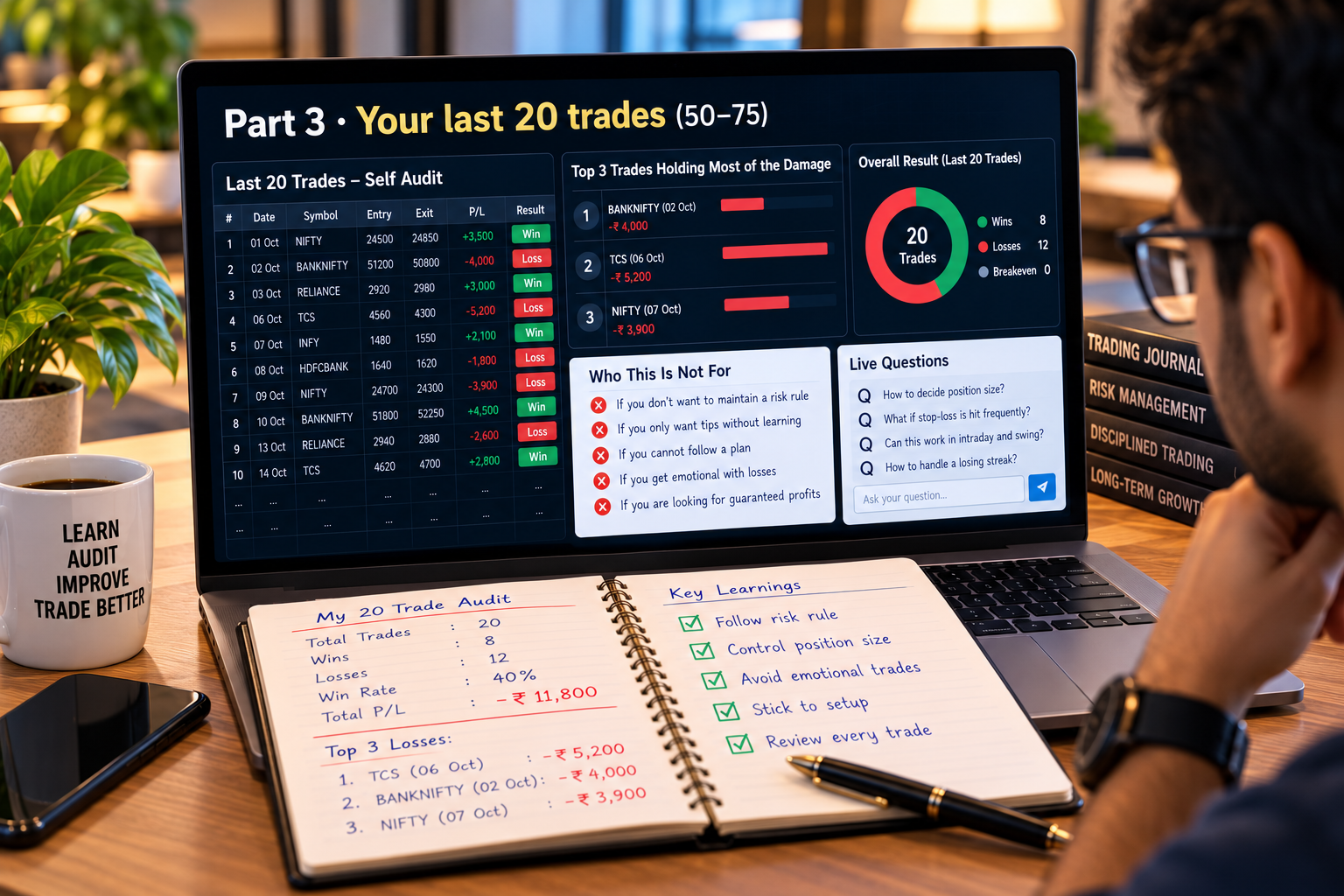
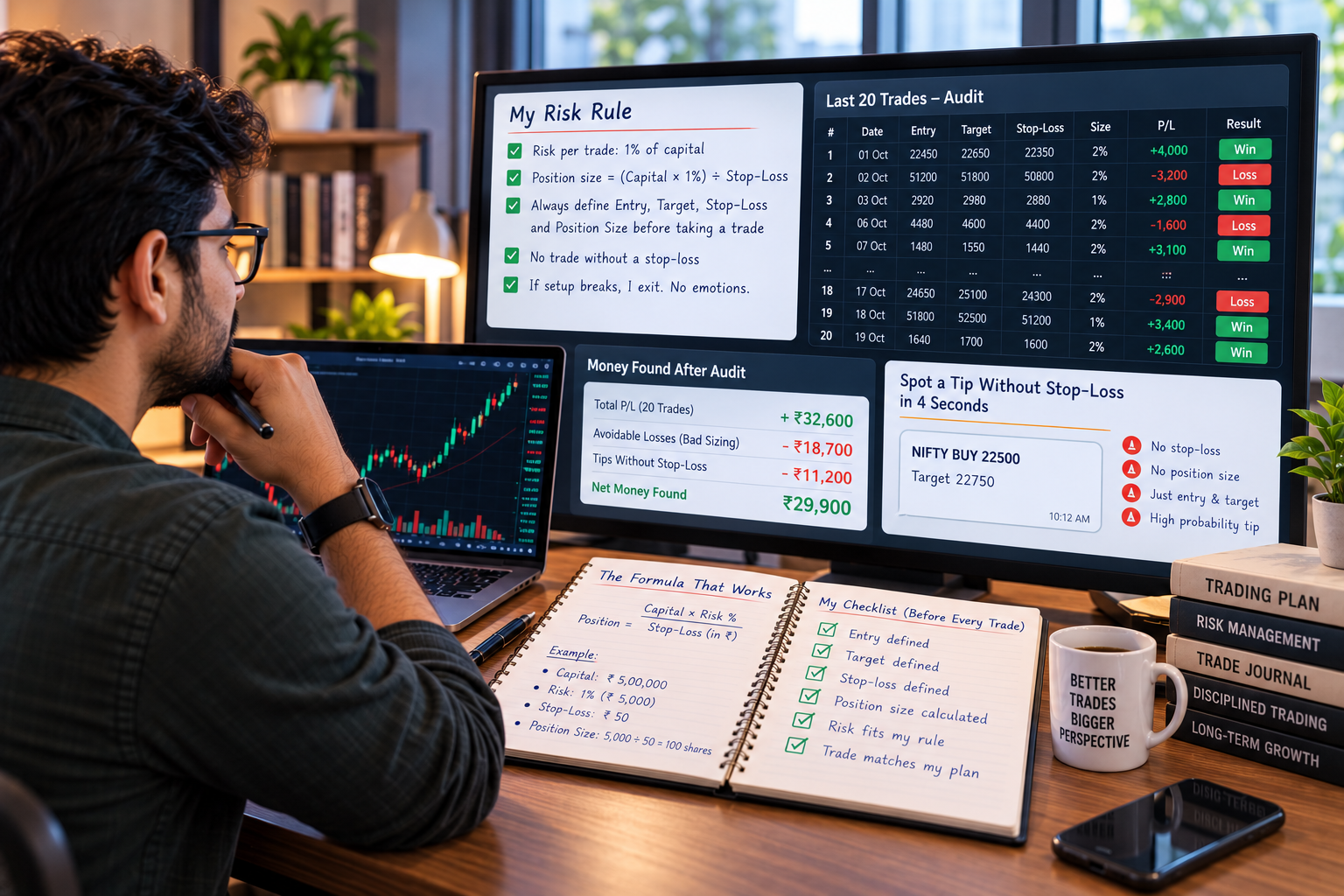
Last 20 trades. Two questions. Most people find almost no stops, and one loss between 8 and 15 percent of everything they had.
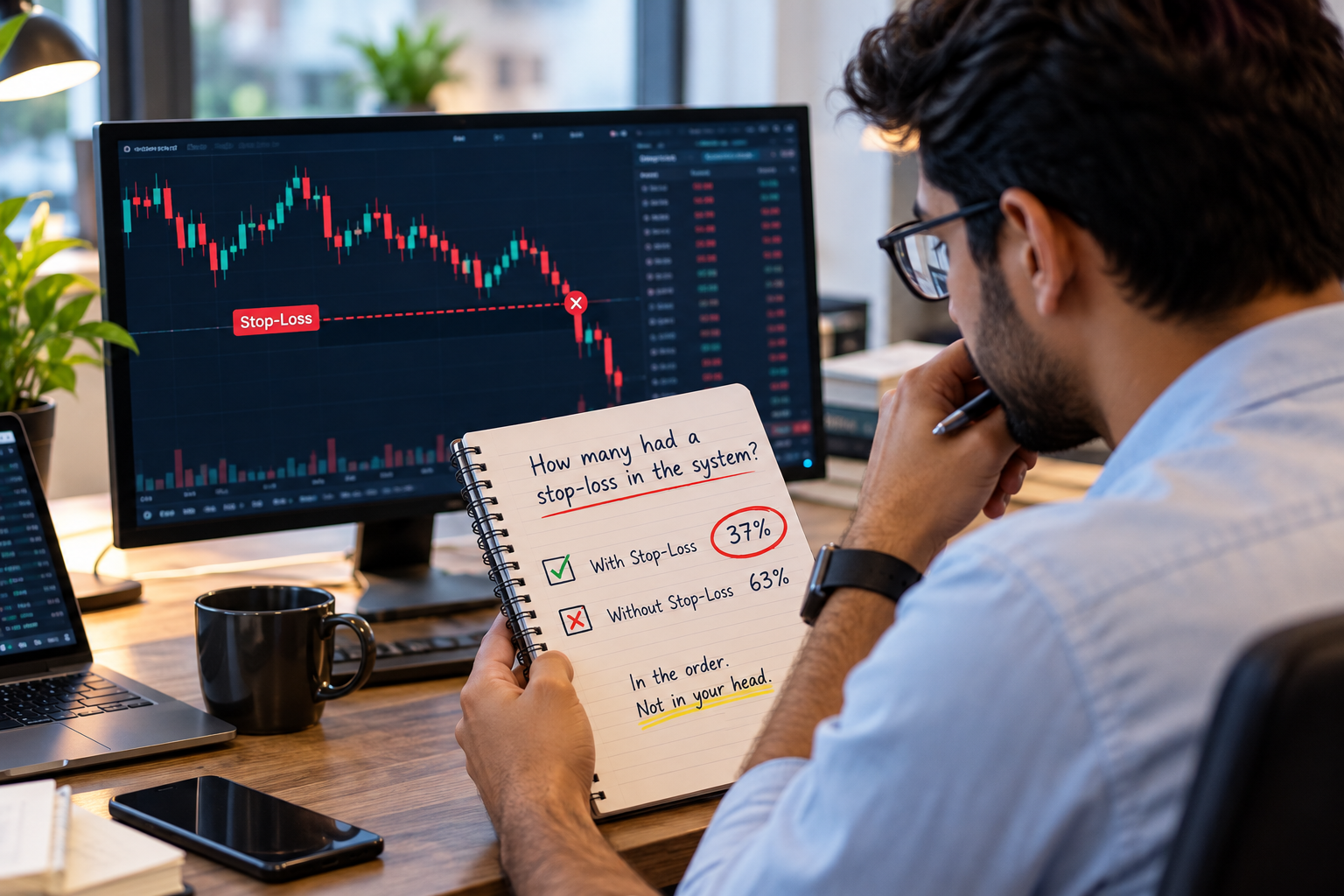
In the order. Not in your head.

Rupee figure ÷ total capital.

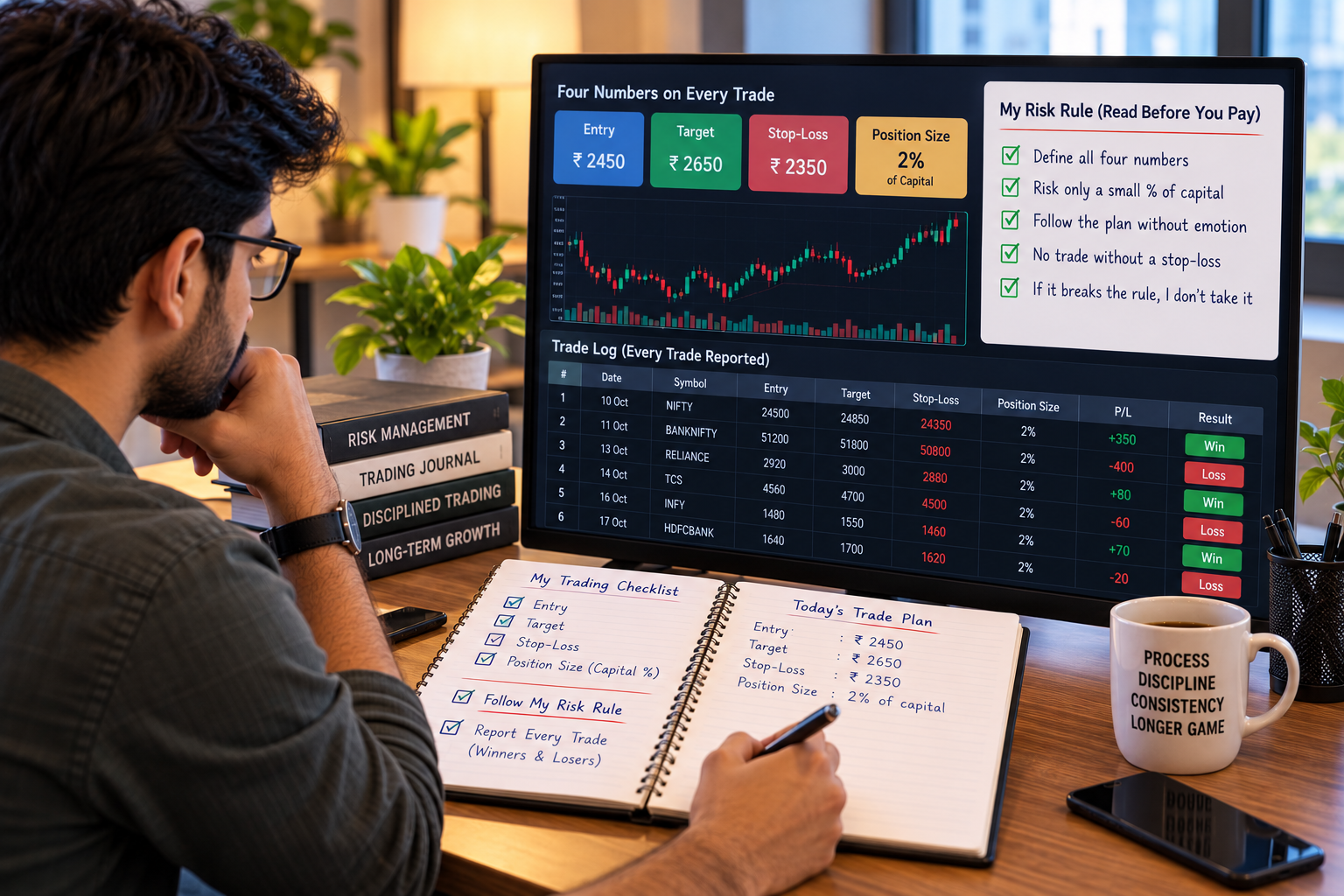
Entry, target, stop-loss, and how much of your capital goes in. You were given two, by people with nothing at stake. The fourth decides whether you survive a bad run.
You have had eight losses in a row. Everybody has. You were not unlucky. You were sized so that ordinary bad luck could finish you.
Capital × 1% = the most any single trade may cost you. Divide by the gap between entry and stop. That is your position size.
₹15 lakh account: 1% is ₹15,000. Stop ₹10 away? 1,500 shares. Not “whatever felt right.”
Who this is for
One has no time. One has no system. Neither was ever given the fourth number.


What you will actually leave with
No stock names. No predictions. The arithmetic underneath every trade you have taken.
You leave with a rule you did not have this morning. Not a call. A rule.
Your session
Arithmetic, a method, your own numbers.
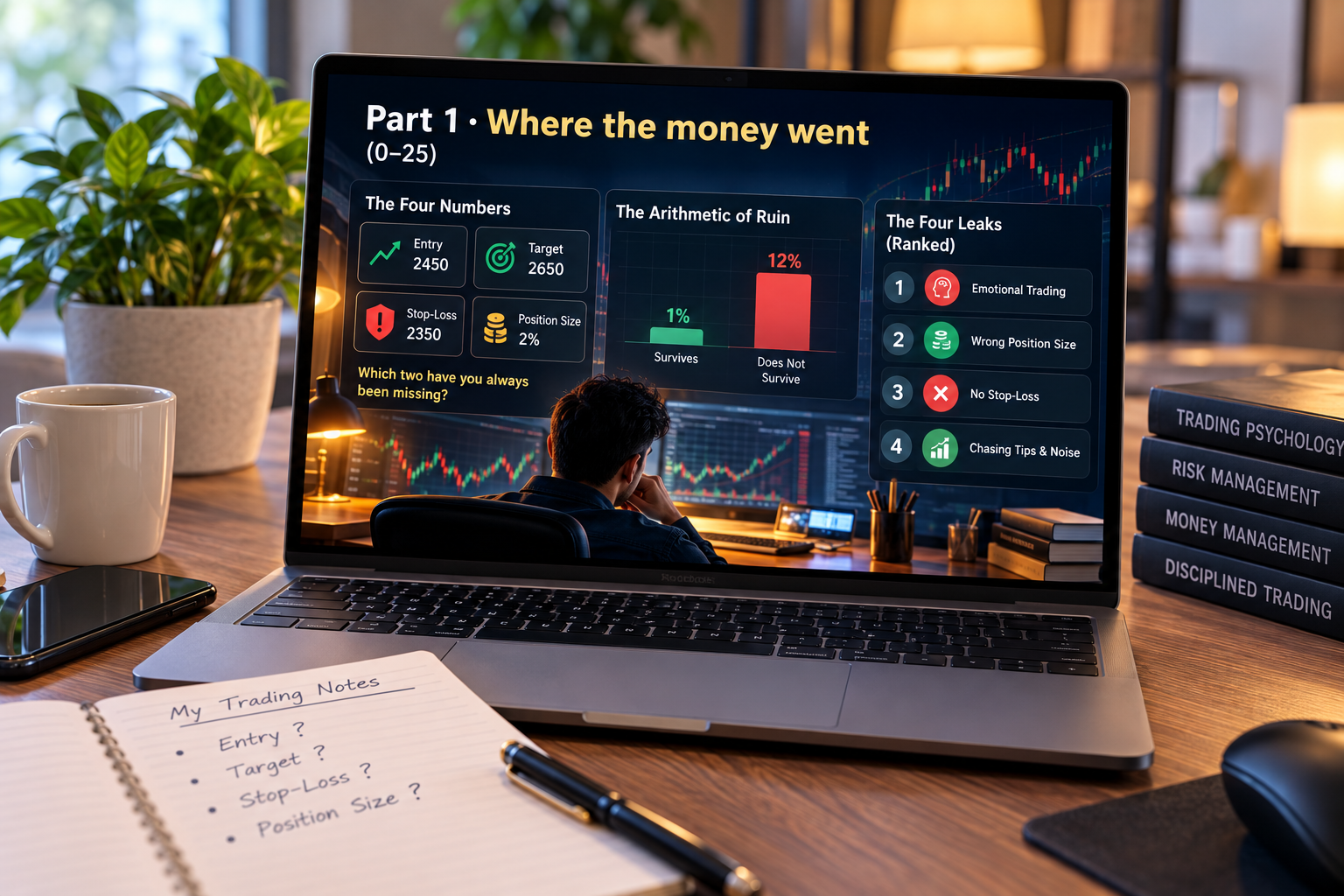
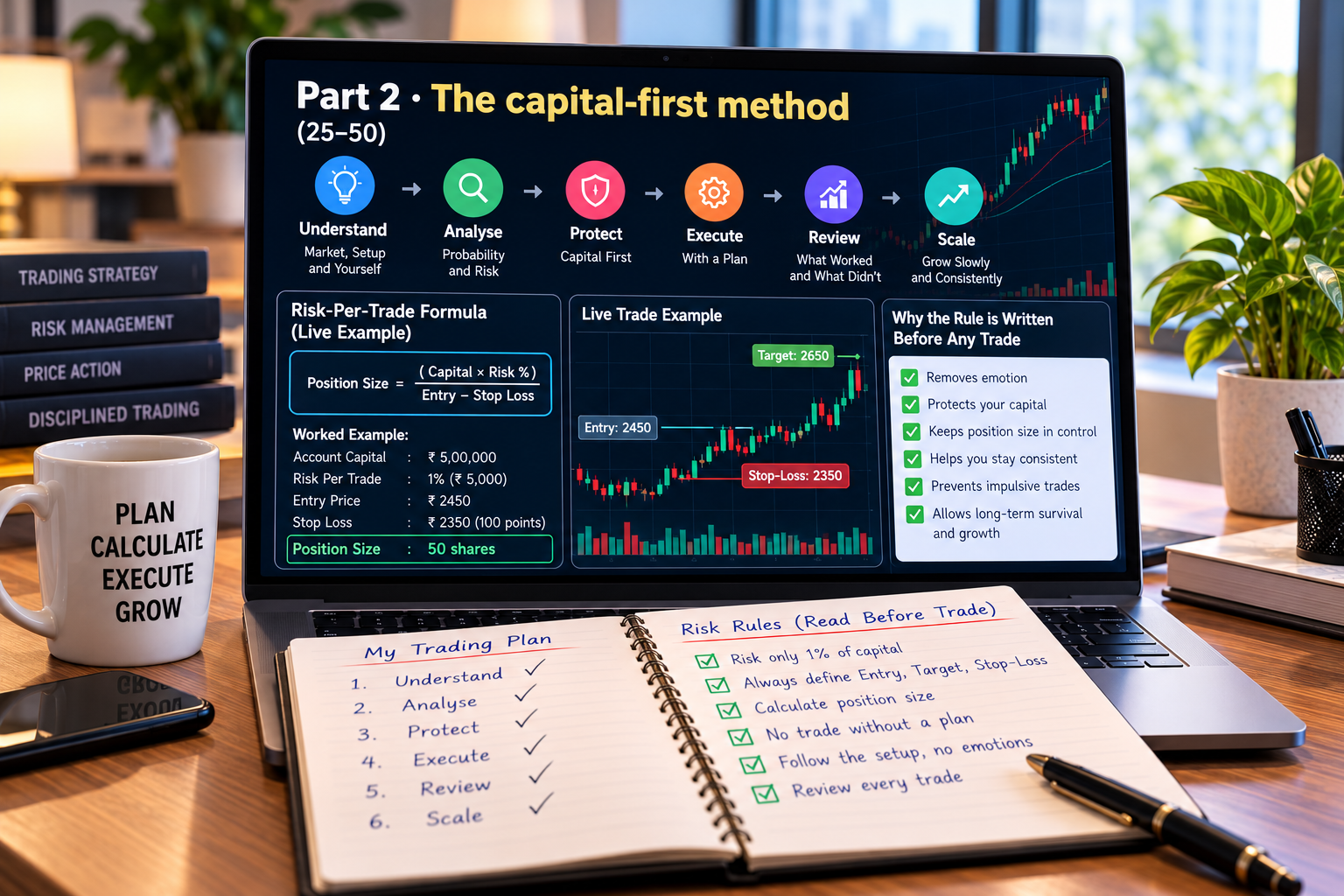
At the end the premium service is explained with its fee and terms. Ignore it if you like. The session is taught in full either way.
Your registration bonuses
Two arrive the moment you register. The third is released at the end of the session.

One page: risk per trade, daily and weekly loss limits. On WhatsApp the moment you register.

The actual sheet his clients fill in, with weekly review questions. Also sent at registration.

A self-audit worksheet that finds the three trades holding most of the damage. Released at the end of the live session.
Why ₹47 and not free? Free rooms fill with “ek free trade do” and “profit-sharing karoge?” ₹47 keeps the room for people who have ₹10 lakh and a real question.
The evolution
A tip-seller’s business needs you to keep buying tips. A rule needs you to buy nothing again.

Who is teaching this
He built everything around the only thing a trader controls: how much a single trade is allowed to cost. A rule before a trade. A stop on everything. A size worked for the account, not for the excitement.
“Every trade I give you is a trade I am in with my own money. Same entry, same stop-loss, same exit. My capital is bigger, so when it goes wrong, my loss is bigger than yours.”
Questions
Where you are this time next year
If you leave without a rule, the ₹47 comes back and you keep ₹4,497 of material.